Menu
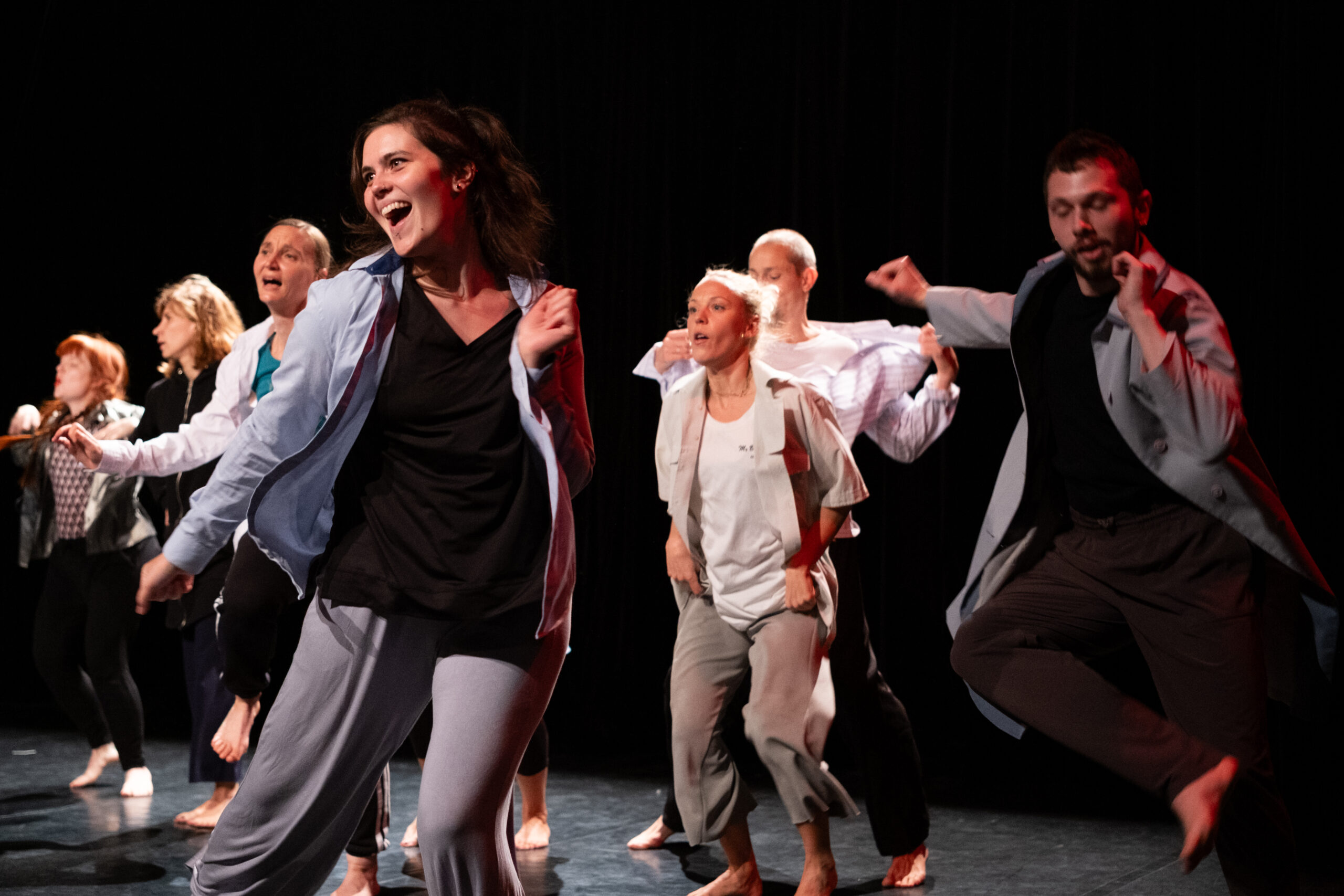
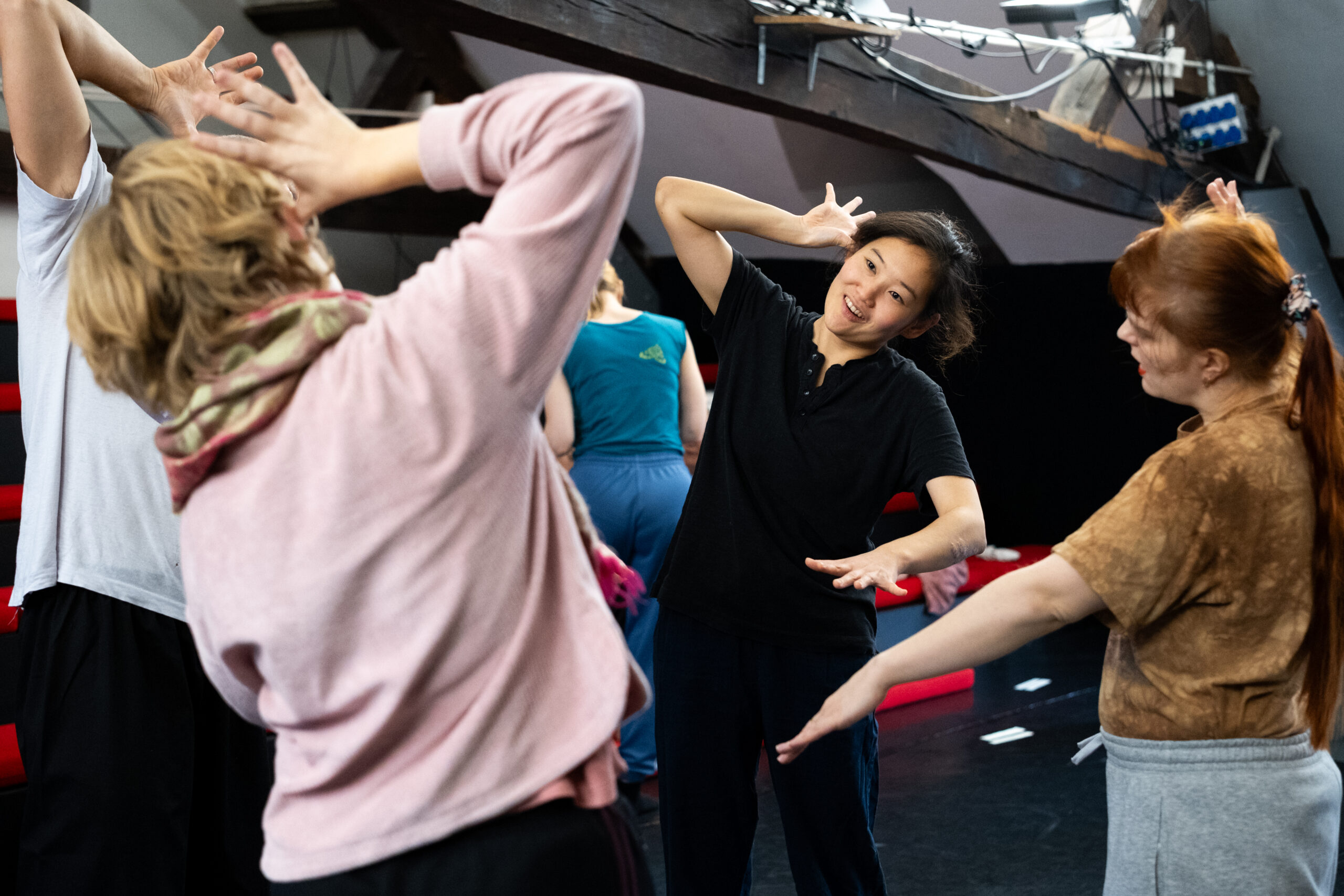
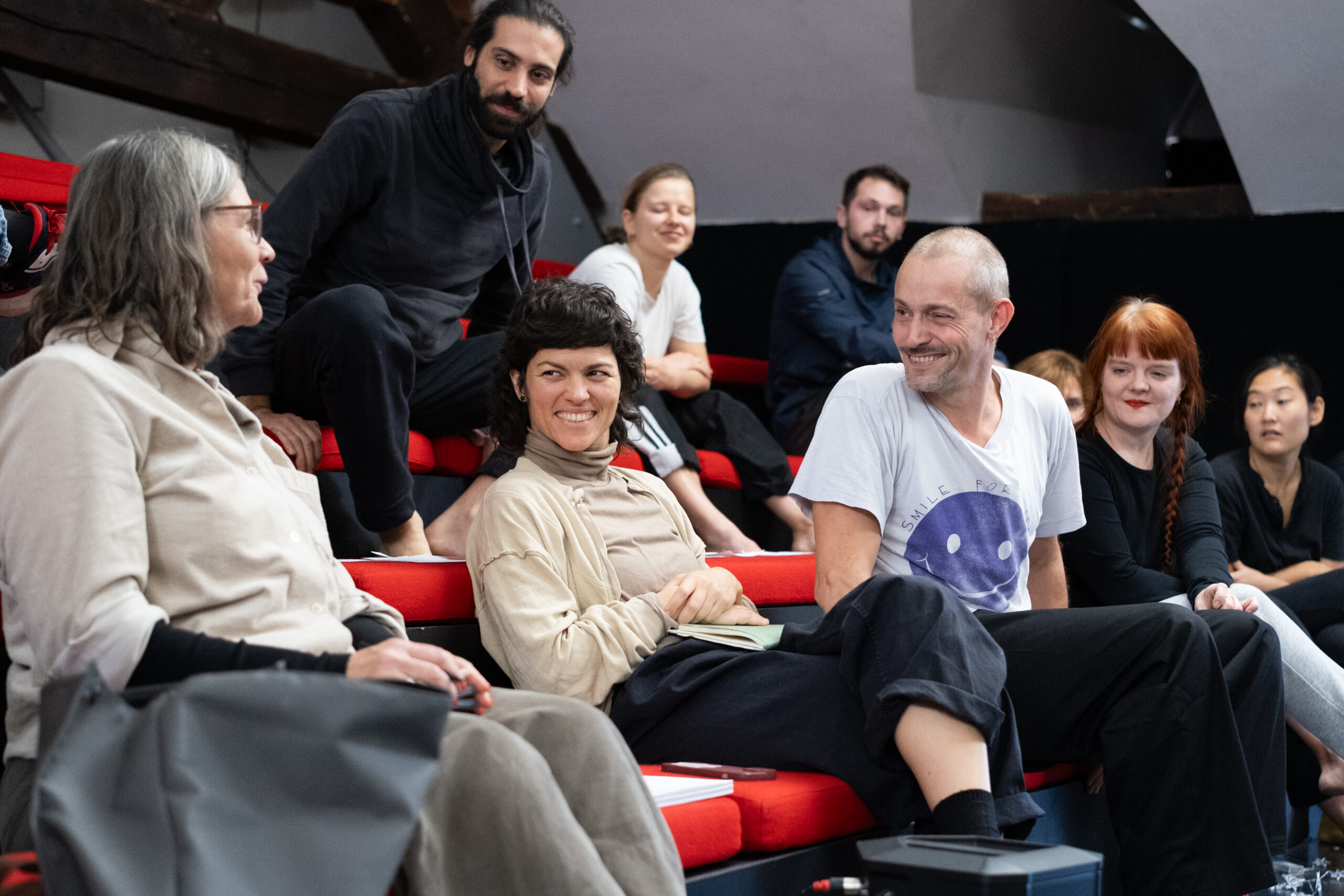
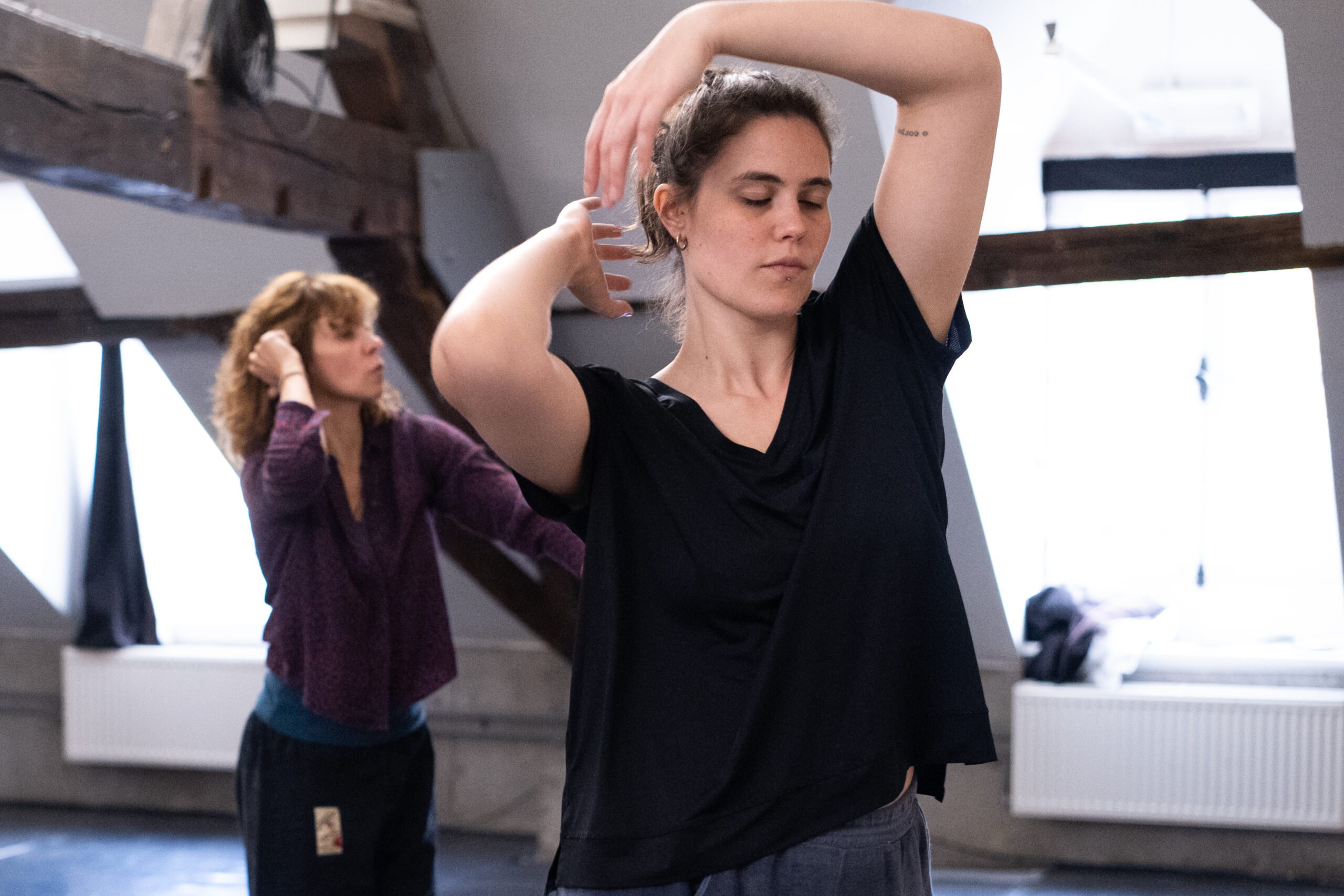
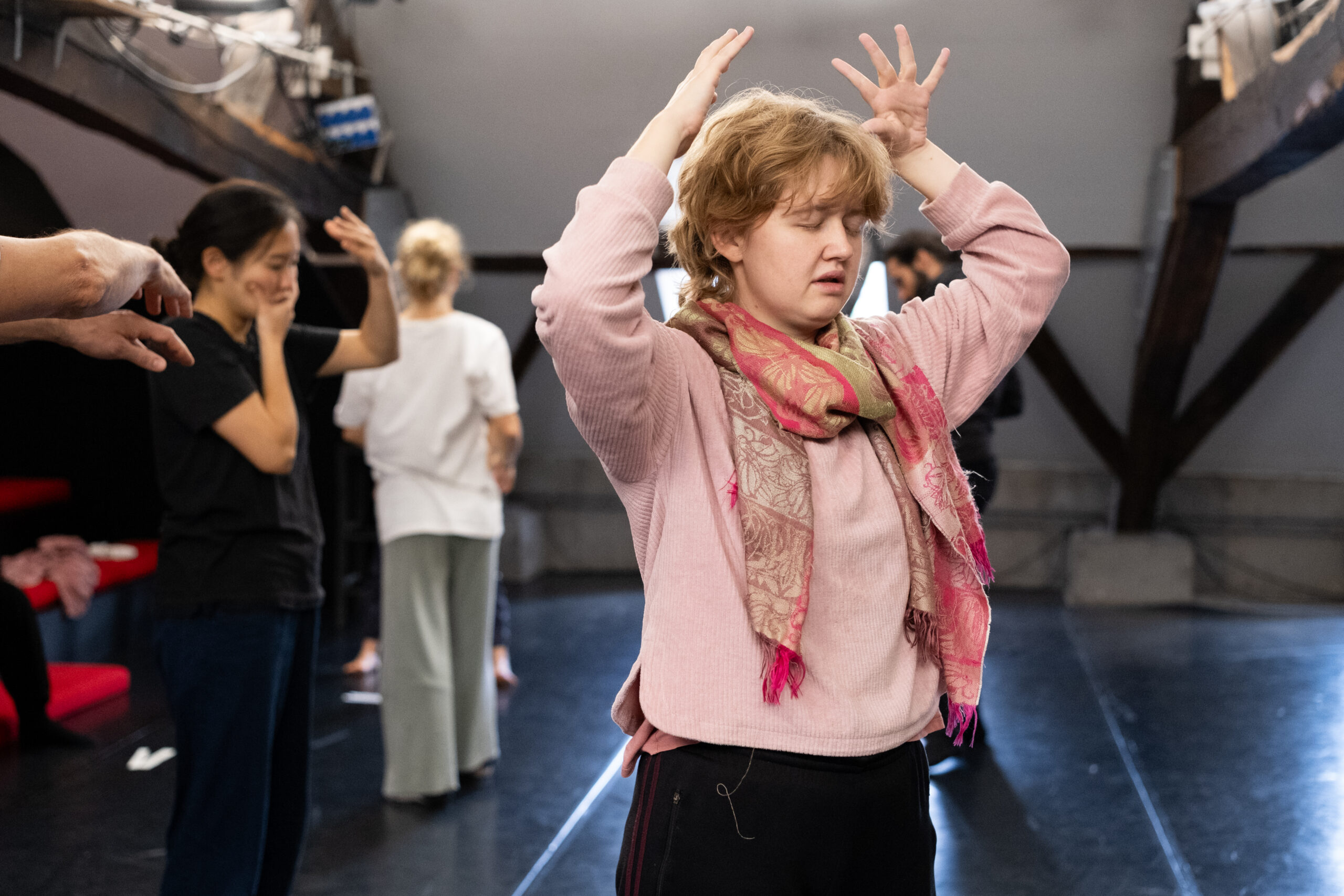
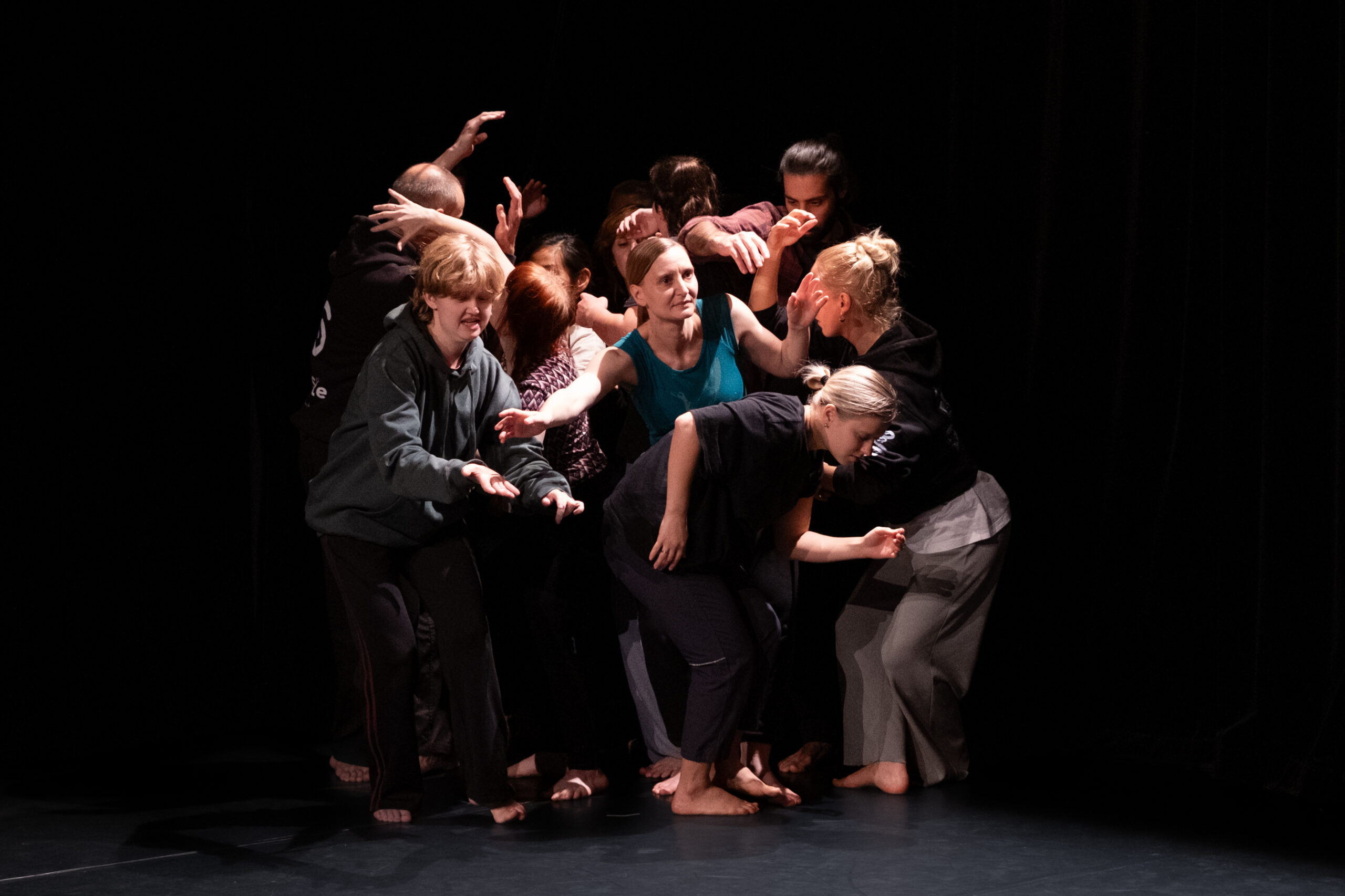
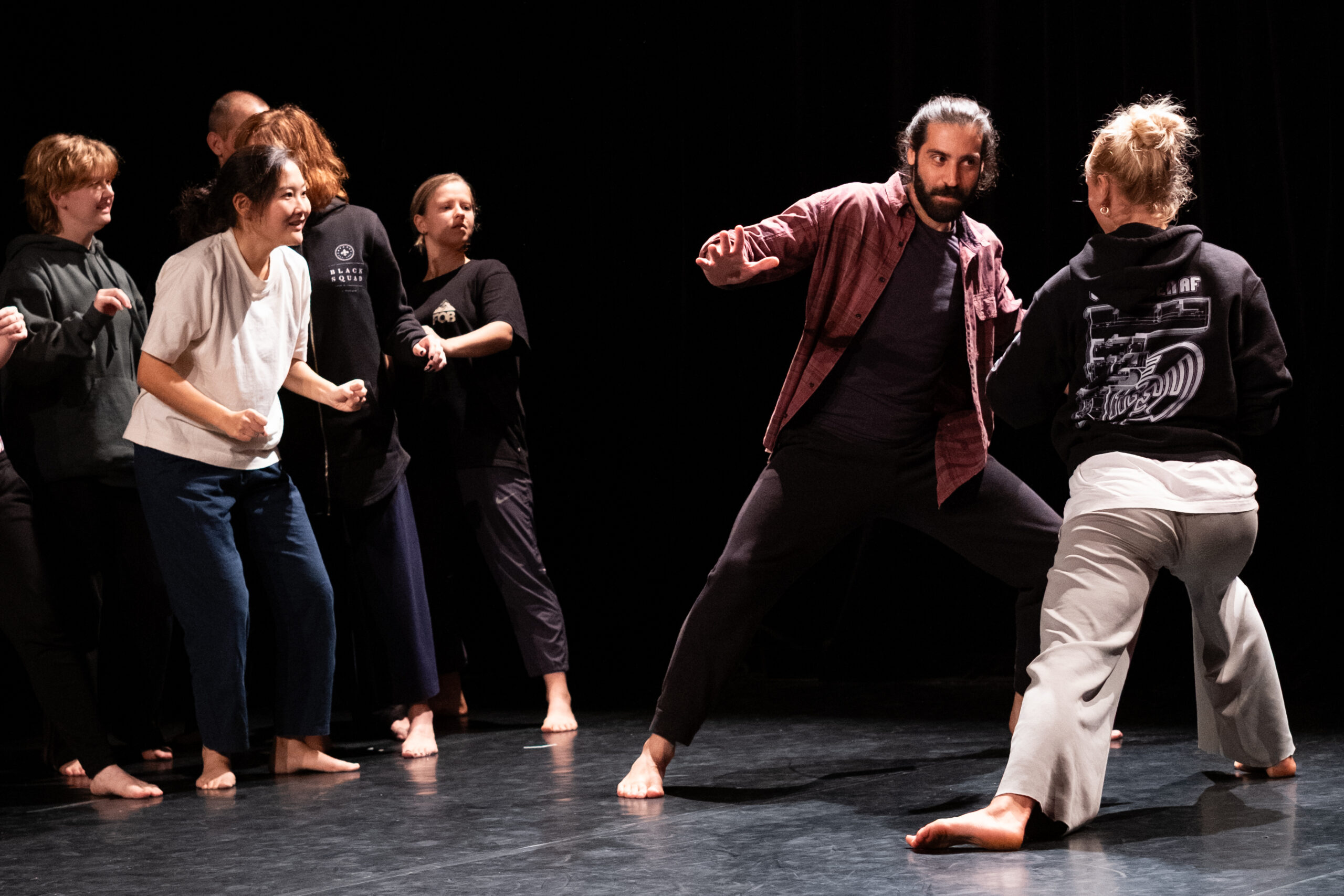
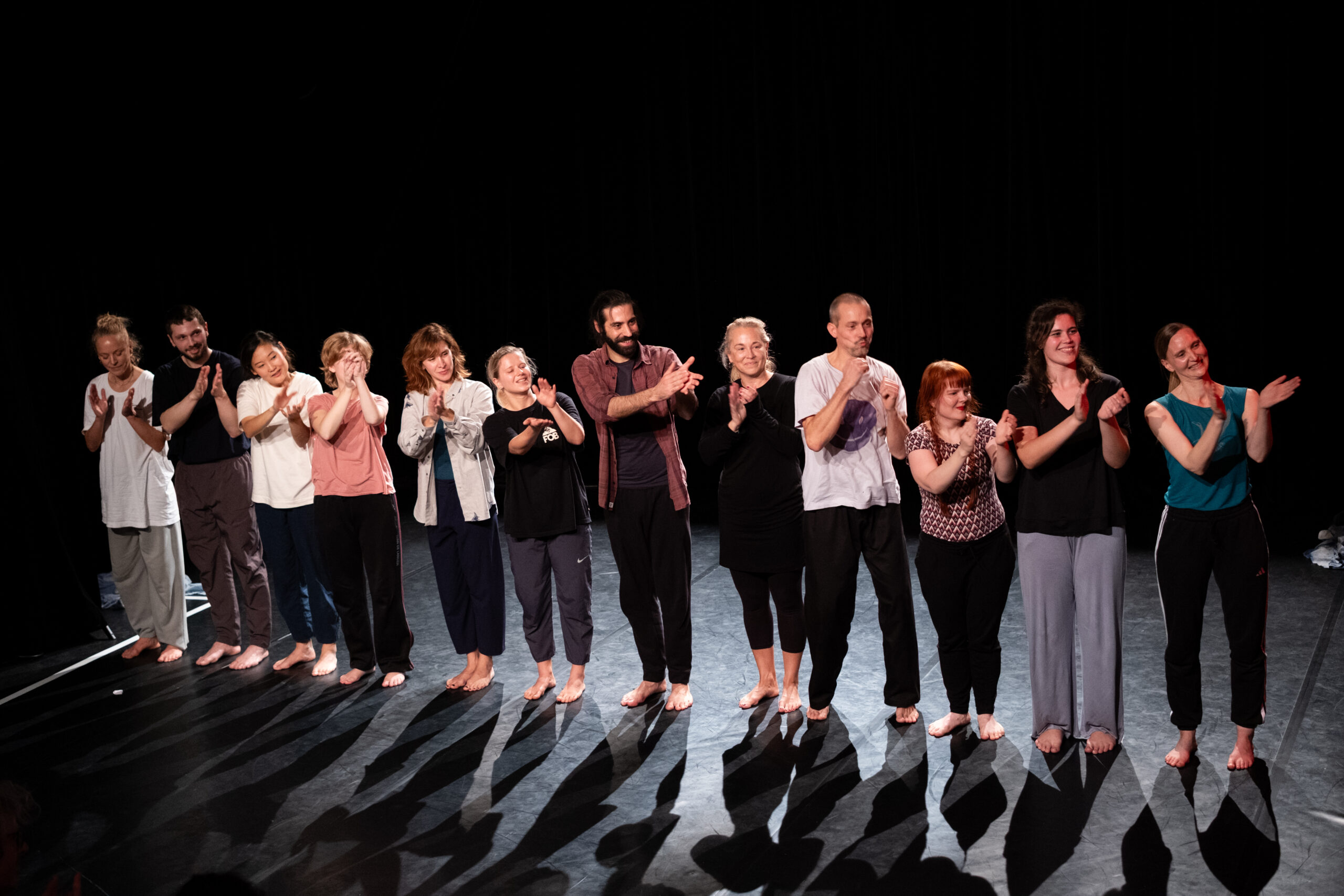
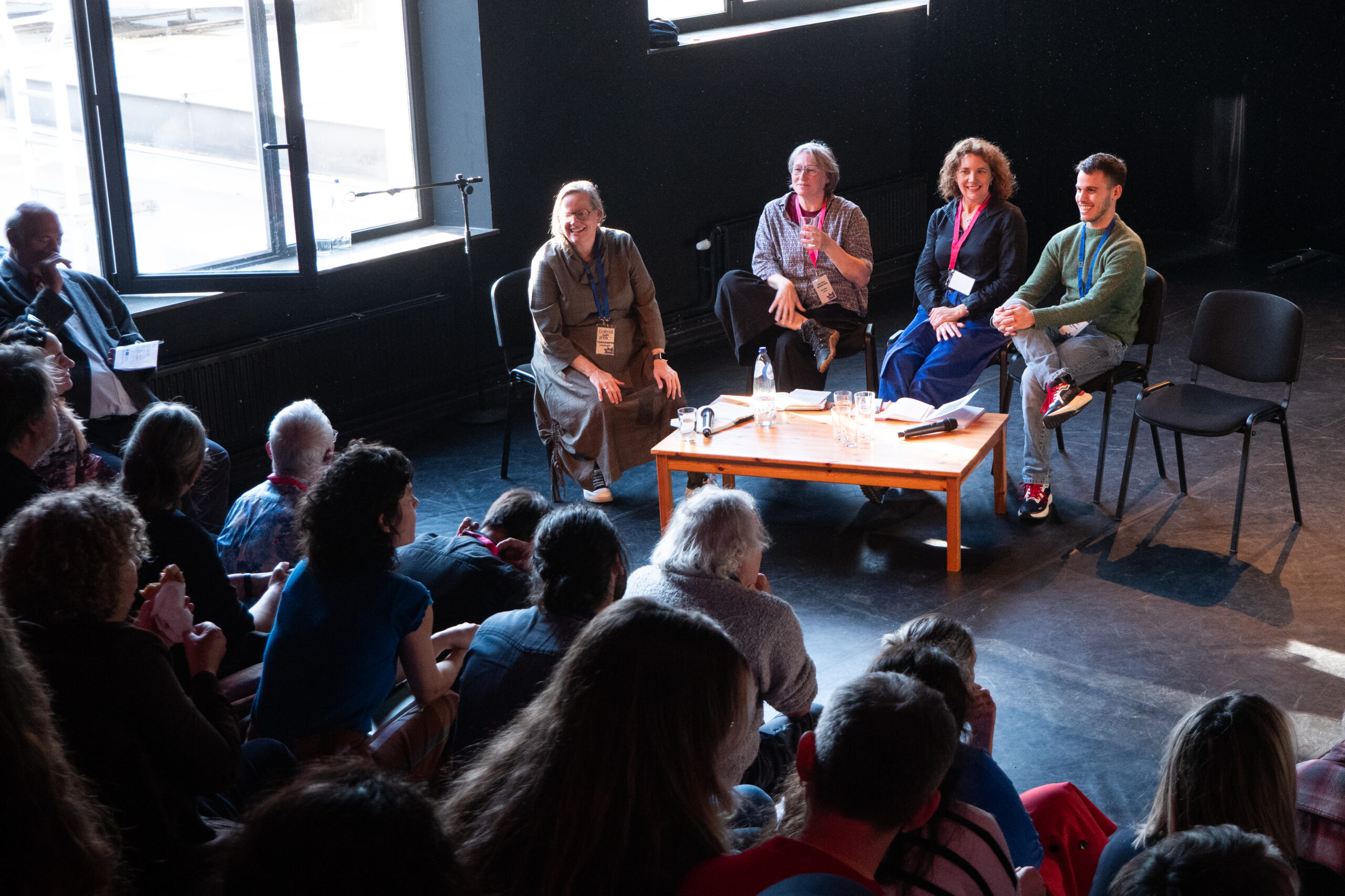
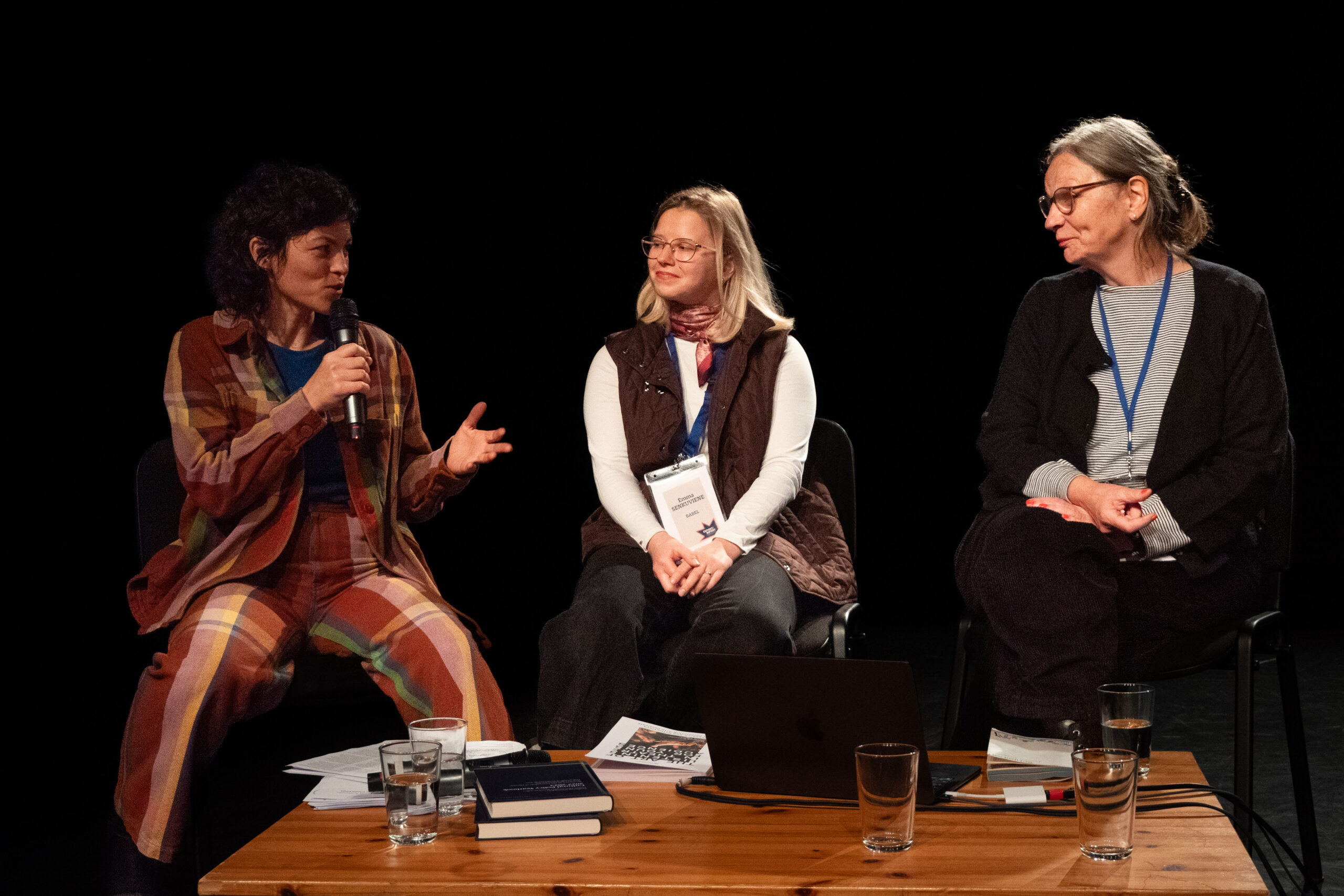
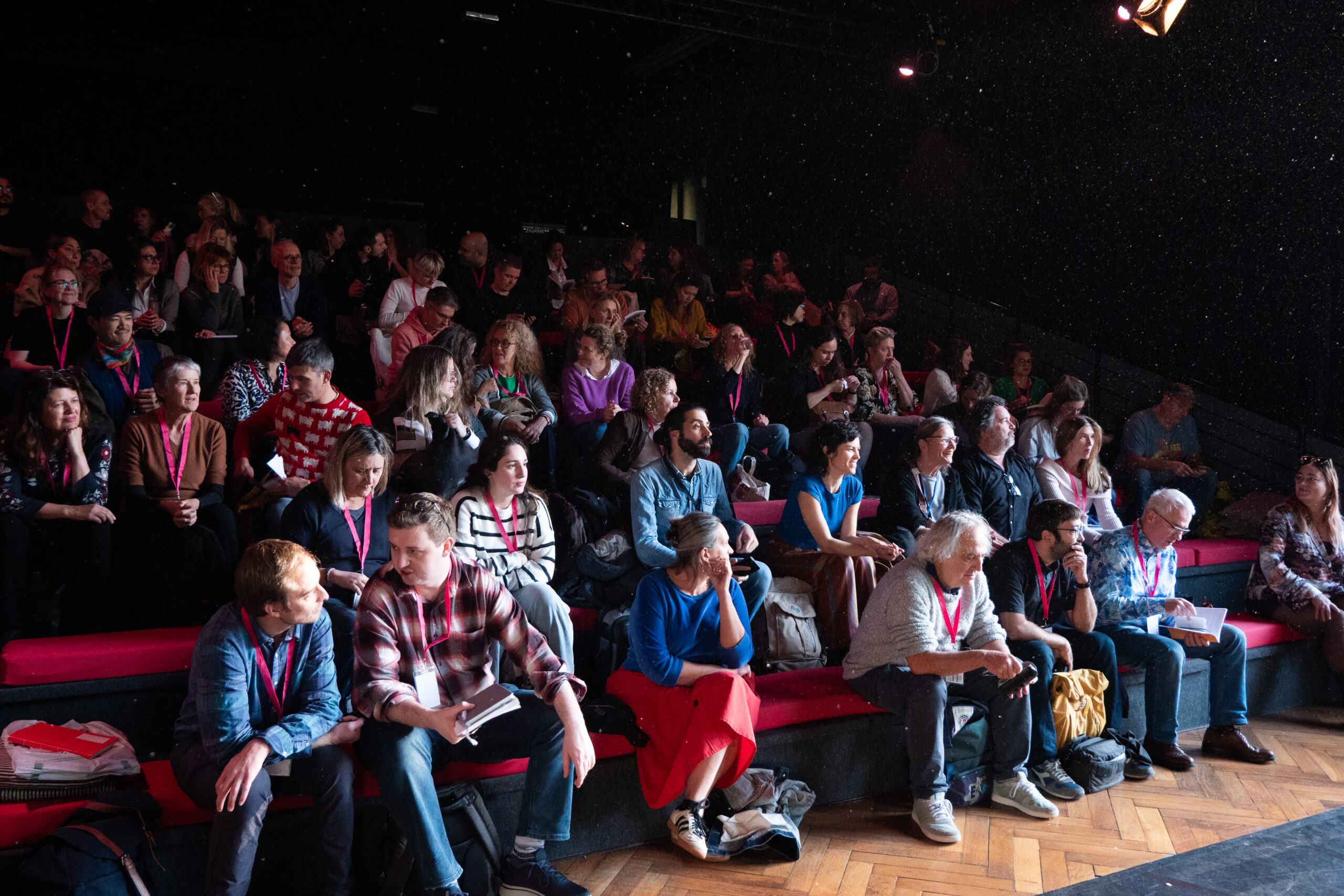
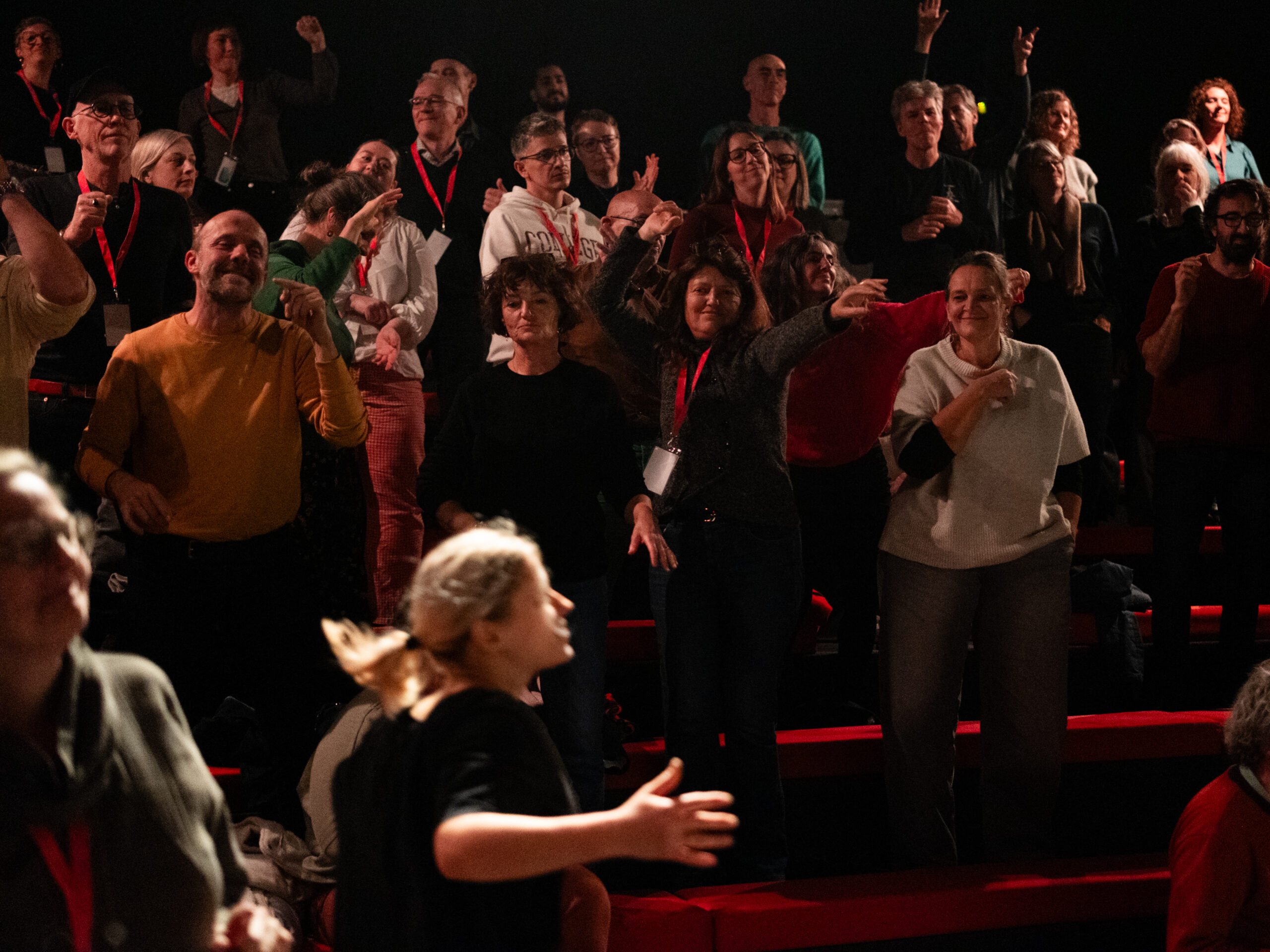
Our artistic director, Irma Unušić, is a participant in the EU large scale cooperation project BABEL – The Art of Listening in Theatre for Young Audiences. Together with Brigitte Dethier, Irma co-facilitated the final creative BABEL workshop for theatre professionals, held from 6 to 10 November 2025 in Brussels as part of the Export/Import Festival for young audiences, organised by Bronks Theater and Théâtre La montagne magique. Following the workshop, the project’s final BABEL conference also took place.
This major project, supported by Creative Europe, is carried out in partnership with 14 cultural organisations across Europe. Advocating for the rights of children and young people to full cultural citizenship, the project explores communication processes, intercultural dialogue, and mutual understanding within theatre and the performing arts for young audiences.
The project’s publication features Irma’s authored article on the importance of theatrical atmosphere in the context of the art of listening in performance for young audiences — “Atmosphere. Performance as Shared Creation.” The BABEL book THE ART OF LISTENING IN THEATRE FOR YOUNG AUDIENCES: Research and Reflections from Performing Arts Festivals will soon be available on the BABEL project website.
We share below several excerpts from Irma’s reflections that resonate the voice of SHOOMA.
What are we listening to in one another? How do we listen, not just to the words spoken, but to the emotional currents beneath them? In this space, atmosphere is created by everyone involved, with each person contributing to its flow. I create the atmosphere, and the atmosphere, in turn, creates me. This is the essence of collective experience.
When children enter a theatre or any performance space, they are not merely spectators. They are active participants in the creation of atmosphere. In performing arts for young audiences, this idea is central: everyone, performers and audience, shares the responsibility for the atmosphere. (…)
It becomes an atmosphere of sharing, of listening, and of responding, which leads to empathy. Empathy is not just an intellectual exercise; it is a bodily experience. It is the look in someone’s eyes, the touch of a hand, the breath we share. It is the silent communication that passes between people, creating a space of understanding, of connection. In theatre this is heightened – we can sense the tension, the excitement, the discomfort, the joy of others in the room. And, in turn, we respond, influencing the atmosphere further.
Further reading: PDF
Photographer: Flora Chassang